Source Foldable Adjustable Laptop Stand for Office Home Car
Compare 28 foldable adjustable laptop stand options from verified suppliers. These portable stands feature 360-degree rotation, adjustable heights, and stainless steel or plastic materials for use in offices, homes, and vehicles.
Key considerations
Products List





Comprehensive Sourcing Guide
Strategic Sourcing Guide for Foldable Adjustable Laptop Stands
The global shift toward hybrid work environments and remote collaboration has elevated the demand for portable, ergonomic accessories, with the foldable adjustable laptop stand emerging as a critical category for B2B procurement. Buyers seeking these products must navigate a complex supply chain where functionality, material integrity, and customization capabilities intersect. This guide provides a structured approach to sourcing foldable adjustable laptop stands, grounded in verified product attributes and industry best practices. The objective is to equip procurement professionals with the knowledge to evaluate suppliers, define technical requirements, and mitigate risks associated with bulk purchasing without relying on unverified market claims.
Defining Technical Specifications and Functional Requirements
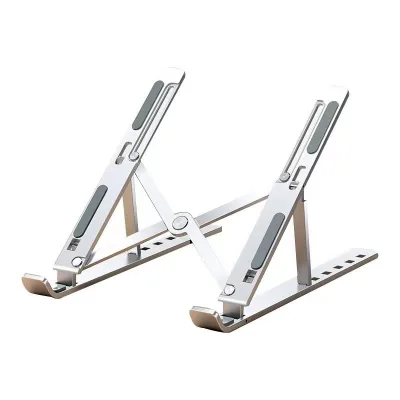
The core value proposition of a foldable adjustable laptop stand lies in its mechanical design and material composition. When sourcing, buyers must first establish a clear definition of the product's physical and functional parameters. Based on observed product data, the market offers stands constructed primarily from stainless steel and plastic, each serving distinct use cases. Stainless steel variants, often associated with models like A049 and A048, provide the structural rigidity required for heavy-duty office environments. These units frequently feature a "Partial Hard" hardness rating, suggesting a balance between durability and weight reduction. In contrast, plastic models, such as those identified by model numbers like ST1123, prioritize portability and cost-efficiency, often utilizing suction mechanisms for installation in vehicles or specific mounting scenarios.
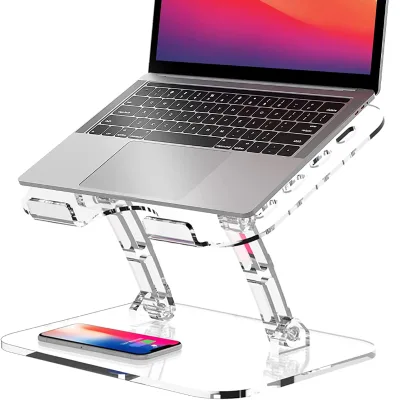
A critical technical specification to verify is the rotation capability. High-performance models in this category support 360-degree rotation, allowing users to adjust the viewing angle dynamically. This feature is essential for collaborative settings where multiple users need to view the screen simultaneously. Furthermore, the adjustability of the stand is a primary differentiator. Products labeled with "Adjustable Height" allow users to customize the ergonomic profile to reduce neck strain, a key selling point for corporate bulk orders. The load-bearing capacity is another non-negotiable metric; observed data indicates a specific capacity of 5kg for certain models, which must be verified against the weight of the laptops intended for use. Buyers should ensure that the specified load capacity exceeds the weight of the heaviest device in their inventory to prevent structural failure.
Material Integrity and Customization Capabilities
Material selection directly influences the product's lifespan, aesthetic appeal, and suitability for specific branding initiatives. The supply chain for these stands typically originates from manufacturing hubs in China, with specific clusters in Guangdong offering specialized production capabilities. When evaluating materials, the distinction between stainless steel and plastic is paramount. Stainless steel stands, often finished in silver or black, offer a premium feel and superior heat dissipation properties, making them ideal for high-performance computing tasks. Plastic alternatives, while lighter, may require reinforcement to maintain stability under load.
Customization is a significant driver in the B2B procurement of these accessories. The majority of suppliers in this category offer extensive customization options, including color, logo, and packaging. The logo application method is typically laser engraving, which ensures high durability and a professional finish that does not peel or fade over time. Buyers should verify that the customization process allows for the application of logos on the specific material being ordered, as laser methods may vary in effectiveness between stainless steel and plastic surfaces. Additionally, packaging customization is often available, with options ranging from standard cartons to bespoke designs that align with corporate branding. The standard packing configurations observed include 50 or 100 pieces per carton, with varying weights that impact shipping logistics. For instance, some cartons weigh up to 30.9 lbs, while others are lighter at 19.8 lbs, necessitating careful calculation of freight costs based on the chosen configuration.
Compliance, Certification, and Safety Standards
While specific certification documents are not explicitly listed in the product attributes, buyers must treat compliance as a foundational requirement for B2B transactions. The absence of explicit certification data in product listings does not imply a lack of standards; rather, it underscores the need for proactive verification. Procurement teams should request evidence of compliance with international safety standards relevant to electronic accessories and office furniture. This includes verifying that the materials used, particularly plastics, are free from harmful substances such as lead, phthalates, and other volatile organic compounds (VOCs).
For products intended for use in vehicles, such as windshield-mounted stands, additional safety considerations apply. The installation mechanism, often described as a "sucker" or suction cup, must be tested for reliability under various temperature conditions to ensure it does not detach unexpectedly. Buyers should inquire about the specific testing protocols used by the supplier to validate the suction strength and the durability of the mounting system. Furthermore, the structural integrity of the stand must be validated to ensure it can support the specified load without tipping or collapsing. This is particularly important for adjustable models where moving parts are involved. Procurement contracts should explicitly state that the supplier warrants the product meets all applicable safety regulations in the destination market, shifting the liability for non-compliance to the manufacturer.
Cost Drivers and Pricing Dynamics
Understanding the cost structure of foldable adjustable laptop stands is essential for effective budget management. The observed price range in the market spans from $0.32 to $49, a wide variance that reflects differences in material quality, customization complexity, and order volume. The lower end of the spectrum typically corresponds to basic plastic models with minimal customization and standard packaging. In contrast, the higher price points are associated with stainless steel constructions, advanced features like 360-degree rotation, and bespoke branding efforts.
Minimum Order Quantity (MOQ) is another significant cost driver. The market exhibits an MOQ range from 1 to 1000 units, offering flexibility for small businesses while encouraging volume discounts for larger enterprises. Buyers should analyze the total cost of ownership, which includes not only the unit price but also shipping, customs duties, and potential costs associated with rework or returns. The weight of the packaging, which can range from 9kg to 14kg per carton, directly impacts freight charges. For international shipments, optimizing the packing configuration to maximize container utilization can yield substantial savings. Additionally, the lead time for customized orders may be longer than for standard stock items, and this factor should be factored into the procurement timeline to avoid delays in product deployment.
Supplier Evaluation and Quality Control Protocols
Selecting the right supplier requires a rigorous evaluation process that goes beyond price comparisons. Buyers should prioritize suppliers who demonstrate transparency in their manufacturing processes and provide clear documentation of their quality control measures. The origin of the products, often cited as China or specifically Guangdong, indicates a mature manufacturing ecosystem, but it also necessitates due diligence to ensure consistent quality. Suppliers should be evaluated on their ability to meet specific technical requirements, such as the "Partial Hard" rating or the 5kg load capacity, and their track record for delivering on customization requests.
Quality control protocols should be established before production begins. This includes defining clear acceptance criteria for dimensions, finish, and functionality. For example, the "Foldable" and "Portable" attributes must be verified to ensure the stand can be easily transported and set up without compromising stability. Inspections should cover the laser logo application to ensure clarity and adherence to brand guidelines. Furthermore, random sampling of finished goods should be conducted to test the rotation mechanism and the adjustability of the height. Buyers should request a pre-shipment inspection report from a third-party agency to validate that the products meet the agreed-upon specifications before they leave the factory. This step is crucial for mitigating the risk of receiving substandard goods that could damage the buyer's reputation.
Typical Applications and Long-Term Procurement Strategy
The versatility of foldable adjustable laptop stands makes them suitable for a wide range of applications, from office environments to home offices and even vehicle interiors. In corporate settings, these stands are often deployed to enhance employee ergonomics and productivity. The "Office" and "Home" applications are the most common, with the stands serving as essential tools for remote workers and hybrid teams. The "Unisex" nature of the product ensures broad appeal across diverse user bases. Additionally, the "Holder Only" function of certain models indicates a focus on simplicity and reliability, making them ideal for situations where complex features are unnecessary.
For long-term procurement, buyers should consider the scalability of their supply chain. Establishing a relationship with a supplier capable of handling fluctuating order volumes is key. The availability of customization options allows companies to adapt their product offerings to changing market trends or branding strategies. Buyers should also plan for the lifecycle of the product, considering the durability of the materials and the ease of replacement. Stainless steel stands, with their robust construction, may offer a longer lifespan than plastic alternatives, potentially reducing the frequency of repurchasing. By focusing on quality and reliability, companies can build a sustainable procurement strategy that supports their operational needs while maintaining cost efficiency.
Comparative Analysis of Product Attributes
To facilitate informed decision-making, the following table summarizes key attributes observed in the market for foldable adjustable laptop stands. This comparison highlights the diversity of options available and assists buyers in matching product specifications to their specific requirements.
| Attribute | Stainless Steel Models | Plastic Models | Universal/Adjustable Models |
|---|---|---|---|
| Primary Material | Stainless Steel | Plastic | Mixed / Hybrid |
| Color Options | Silver, Black | Various | Black, Silver |
| Load Capacity | High (Varies) | Moderate | Up to 5kg (Verified) |
| Rotation | 360 Degrees | Fixed or Limited | 360 Degrees |
| Adjustability | Height Adjustable | Fixed or Limited | Adjustable Height |
| Customization | Laser Logo, Color | Logo, Color, Packing | Full Customization |
| Portability | Moderate | High | High |
| Installation | Standalone | Sucker / Stand | Standalone / Sucker |
| Origin | China (Guangdong) | China | China |
This table serves as a reference point for buyers to quickly identify the product type that best aligns with their operational needs. It emphasizes the importance of verifying specific attributes rather than relying on general product descriptions. By carefully analyzing these factors, procurement professionals can make data-driven decisions that optimize value and ensure the successful integration of foldable adjustable laptop stands into their supply chains.
FAQs
What materials are used for foldable adjustable laptop stands?
Stainless steel and plastic are the primary materials used for these stands. Stainless steel models offer structural rigidity for office use, while plastic variants prioritize portability and cost-efficiency for vehicle or home applications.
Can the logo be customized on these laptop stands?
Yes, logo customization is available for most models in this category. Suppliers typically use laser engraving methods to ensure a durable finish that does not peel, and options often include custom colors and packaging designs.
What is the maximum load capacity for these stands?
Observed data indicates a specific load capacity of 5kg for certain models. Buyers must verify that the specified capacity exceeds the weight of their heaviest laptop to prevent structural failure or tipping during use.
How do I find suppliers with specific packaging requirements?
You can find suppliers offering standard or customized packaging configurations. Observed packing options include 50 or 100 pieces per carton with varying weights, allowing for freight cost optimization based on your specific logistics needs.
Which models support 360-degree rotation for viewing angles?
High-performance models in this category support 360-degree rotation to allow dynamic viewing angle adjustments. This feature is essential for collaborative settings where multiple users need to view the screen simultaneously from different positions.
What is the typical minimum order quantity for these stands?
The market exhibits a minimum order quantity range from 1 to 1000 units. This flexibility allows small businesses to start with low volumes while larger enterprises can leverage volume discounts for bulk procurement orders.
Where are these laptop stands typically manufactured?
Products in this category typically originate from manufacturing hubs in China, with specific clusters in Guangdong. These regions offer specialized production capabilities for both stainless steel and plastic variants of the stands.